

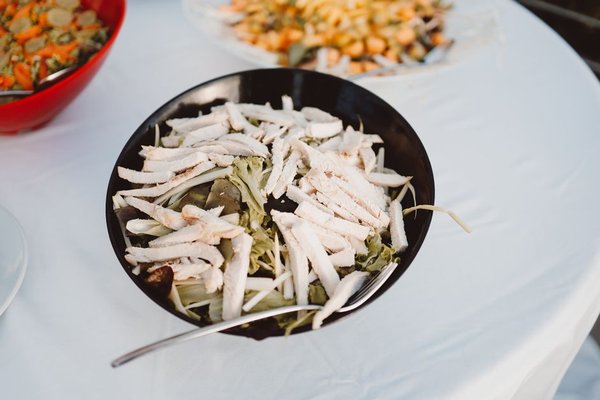
A chicken breast can deliver plenty of protein, but it cannot replace the fuel missing from a plate with no rice, potatoes, or bread. That is the trap in many high-protein meals for athletes: the protein looks impressive while the carbohydrates needed for hard training quietly disappear. A useful sports meal supports both muscle repair and the next workout.
The goal is not to eat less protein. It is to build meals where protein and carbs work together, with vegetables, healthy fats, and fluids filling out the picture. What that looks like changes between a rest day, a lifting session, and a long endurance workout.
Why protein alone is not a complete training meal
Protein supplies amino acids used to maintain and repair muscle. Carbohydrates help replenish glycogen, the stored fuel your muscles rely on during demanding exercise. If you regularly train hard while eating too little carbohydrate, your energy and recovery may suffer even when protein intake is adequate.
For many active adults, sports nutrition guidance puts daily protein around 1.4–2.0 grams per kilogram of body weight, although individual needs differ. A 70-kilogram athlete, for example, might aim for roughly 98–140 grams over the day rather than trying to cram most of it into dinner.
Carbohydrate needs respond strongly to workload. Broad sports nutrition ranges include about 3–5 grams per kilogram daily for light activity and 5–7 grams for moderate training around an hour a day, with higher amounts often needed during prolonged endurance work. These are planning ranges, not targets everyone must follow.
Build the plate around the session ahead
Start with a substantial protein source such as chicken, fish, eggs, lean beef, tofu, tempeh, lentils, or Greek yogurt. Then add a deliberate carbohydrate source: rice, pasta, potatoes, oats, beans, tortillas, or fruit. Finish with colourful produce and a modest amount of olive oil, nuts, seeds, or avocado.
On a lighter day, a smaller serving of starch may be comfortable. Before or after a demanding session, the same meal may need extra rice, bread, or fruit. A visual plate guide is useful, but appetite, body size, session intensity, and the time until the next workout matter more than rigid proportions.
Meals close to training may feel better with less fat and fibre, especially for athletes prone to stomach discomfort. Keep vegetables and whole grains in the overall day rather than forcing a huge salad immediately before intervals or competition.
High-protein meal ideas that keep the carbohydrates
Chicken, rice, and roasted vegetables
Pair grilled chicken with a generous scoop of rice, roasted peppers, and courgette. Add olive oil or a yogurt-based sauce. For a tougher training day, increase the rice instead of simply doubling the chicken. This straightforward combination is easy to pack and reheat.
Salmon, potatoes, and green beans
Baked salmon offers protein and unsaturated fats, while potatoes provide practical carbohydrate fuel. Add green beans and a squeeze of lemon. It is one of the simplest athlete dinner ideas when you want a satisfying meal without relying on a supplement.
Turkey and bean burrito bowl
Use seasoned turkey mince, rice, black beans, salsa, lettuce, and avocado. The rice and beans contribute carbohydrates, while turkey and beans supply protein. For a portable version, wrap the filling in a tortilla and pack fruit alongside it.
Tofu noodle stir-fry
Stir-fry firm tofu with noodles, carrots, broccoli, and ginger. Use a flavourful sauce rather than treating plain tofu and vegetables as a complete meal. Noodles make this a useful option after a demanding session, and the portion can be adjusted to training volume.
Eggs on toast with fruit and yogurt
Scrambled eggs on wholegrain toast, accompanied by a banana and yogurt, work for breakfast or a quick evening meal. The toast and fruit provide carbohydrates; eggs and yogurt spread protein across the meal. Switch to a lower-fibre bread if eating shortly before exercise suits your stomach better.
Beef and tomato pasta
Combine lean minced beef or lentils with a tomato sauce and a full serving of pasta. Add spinach or a side of cooked vegetables. Pasta is not the ingredient to fear here: it is often exactly what makes high protein athlete meals more useful for repeated training.
A practical example: the evening before two sessions
Imagine a footballer who lifts weights after school and has team practice the next morning. Dinner consisting of chicken and steamed broccoli might provide protein, but it leaves limited carbohydrate for replenishing glycogen. Add rice or potatoes, a piece of fruit, and water. If hunger returns later, cereal with milk or toast with yogurt can help meet overall energy needs.
The important change is not an elaborate recipe. It is recognising that the next session influences what belongs on tonight’s plate. Athletes completing back-to-back sessions may benefit from eating carbohydrate soon after exercise rather than waiting until they feel ravenous hours later.
Make balanced sports meals easier to repeat
Cook a batch of rice, pasta, or potatoes when preparing proteins for the week. Freeze portions of chilli, turkey sauce, or tofu curry. Keep quick extras such as fruit, bread, microwave rice, canned beans, and yogurt available for days when training runs late.
Check the whole day’s food rather than judging one meal in isolation. A substantial breakfast, sensible snacks, and enough total energy help prevent dinner from carrying the entire recovery burden. For more ideas, explore pre-workout meal timing, easy recovery snacks, and hydration for athletes when building a broader routine.
Drink regularly and adjust fluids to the conditions and your sweat losses. Longer or hotter sessions may require sodium alongside fluids. A registered sports dietitian can help individualise amounts, particularly during heavy training, weight changes, or persistent fatigue.
Frequently asked questions
Should athletes eat more protein than carbs?
Not automatically. Protein needs are important, but carbohydrate requirements can be much higher by weight during substantial training. Compare your eating pattern with your sport and workload rather than assuming protein should dominate every plate.
Are high-protein, low-carb meals good after a workout?
They may provide amino acids, but they can fall short on glycogen replenishment, especially when another hard session is coming soon. Adding bread, rice, potatoes, fruit, or another carbohydrate source often makes recovery meals more complete.
Can vegetarian athletes build balanced high-protein meals?
Yes. Tofu, tempeh, beans, lentils, soy foods, eggs, and dairy where included can provide protein. Pair them with grains, potatoes, fruit, and vegetables; use varied sources across the day to cover nutritional needs.
Do athletes need protein shakes with every meal?
No. Ordinary food can meet protein requirements for many athletes. A shake is convenient when time or appetite is limited, but it should not routinely displace carbohydrate-rich foods or balanced meals.
Keep the fuel as well as the protein
Good high-protein meals for athletes leave room for rice, noodles, bread, potatoes, and fruit rather than treating them as optional extras. Start with a reliable protein source, match carbohydrate portions to training demands, and include produce, fats, and fluids across the day. The best plan is one you can eat consistently and adjust when your training changes.