

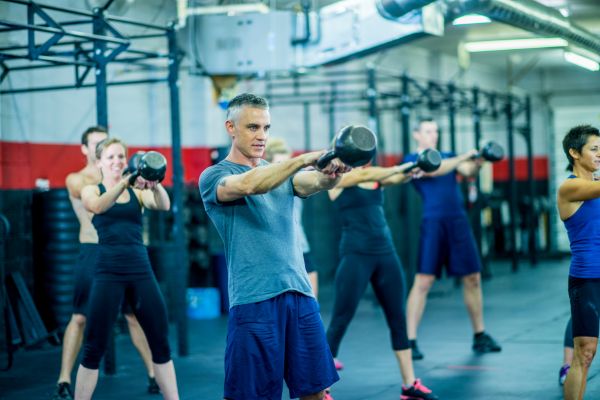
Athletes are often judged by what happens during competition. The sprint to the finish line, the last-minute goal, the explosive jump, the quick recovery after contact — those moments usually get the attention. What people rarely see is the long stretch of preparation behind them. Hours of repetitive drills, strength sessions, recovery routines, mobility work, and mental conditioning quietly shape those performances long before game day arrives.
That preparation is where sports performance training becomes important.
At its core, sports performance training focuses on improving the physical qualities that help athletes perform more effectively in their specific sport. It’s not just about building muscle or becoming faster in a general sense. Good training programs are designed around movement, endurance, balance, coordination, reaction time, power, and injury prevention.
Over the years, training culture has evolved significantly. Athletes today understand that raw talent alone rarely carries someone far. Consistent preparation matters more, and often the athletes who stay healthiest and most disciplined end up outperforming naturally gifted competitors over time.
What Sports Performance Training Actually Means
People sometimes confuse sports performance training with ordinary gym workouts, but the two are not exactly the same.
Traditional fitness training often centers around appearance or general health. Sports performance training focuses more on athletic function. Every exercise, drill, and recovery method usually connects back to improving movement quality or sport-specific ability.
A soccer player may prioritize agility, acceleration, and endurance. A basketball athlete might focus heavily on vertical power and lateral quickness. Tennis players require rotational strength and reaction speed. Even within the same sport, training differs depending on position and playing style.
That’s why effective programs rarely follow one universal formula.
The goal is not simply to work harder. It’s to train in ways that transfer directly into athletic performance.
Strength Training Builds More Than Muscle
Strength training remains one of the foundations of athletic development, though modern approaches look different from old-school “bigger is always better” thinking.
Today, coaches often emphasize functional strength over pure size. Athletes need bodies that move efficiently under pressure rather than muscles built only for appearance.
Exercises like squats, deadlifts, lunges, presses, pulls, and rotational movements help create stability and power throughout the body. Core strength matters especially because nearly every athletic movement begins through the hips and torso.
What surprises many people is how much injury prevention connects to proper strength work.
Weak stabilizing muscles often lead to overcompensation elsewhere. Knees absorb extra stress. Shoulders lose control during explosive movement. Ankles become unstable. Balanced strength training helps reduce those risks while also improving confidence during competition.
And honestly, confidence matters more in sports than statistics alone can measure.
Speed and Agility Require Precision
Athletes often want to become “faster,” but speed itself is more complicated than it sounds.
Acceleration, reaction time, foot placement, coordination, and body control all influence athletic speed. Someone may run quickly in a straight line but struggle changing direction under pressure.
That’s where agility training becomes important.
Cone drills, sprint mechanics, ladder work, reaction exercises, and multidirectional movement patterns help athletes develop sharper body awareness. These sessions can look deceptively simple from the outside, yet they demand intense concentration and technical precision.
Interestingly, many elite athletes move efficiently rather than dramatically. Their movements appear smooth because unnecessary tension has been removed through years of practice.
Good sports performance training therefore focuses not only on effort, but also on movement quality.
Mobility Is Often Overlooked Until Problems Start
Athletes sometimes ignore mobility because it feels less exciting than heavy lifting or explosive drills. Yet restricted movement patterns quietly affect nearly everything.
Tight hips influence sprinting mechanics. Limited ankle mobility impacts jumping and landing. Shoulder stiffness changes throwing motion. Over time, small restrictions create larger compensation patterns throughout the body.
Mobility training helps maintain joint health and efficient movement ranges.
This doesn’t necessarily mean spending an hour stretching every day. Often, consistent short sessions integrated into warm-ups or recovery routines produce the best long-term results.
Athletes who prioritize mobility usually recover more effectively too. Their bodies move with less resistance and tension, which reduces overall physical stress during training.
Conditioning Depends on the Sport
Conditioning is another area where sports performance training becomes highly specific.
Long-distance runners develop endurance differently from football players. Combat athletes train energy systems differently than basketball players. Even within team sports, conditioning styles vary depending on demands during competition.
Modern conditioning focuses heavily on matching the physiological demands of the actual sport.
For example, soccer involves repeated bursts of sprinting mixed with lower-intensity movement over long periods. Training therefore often alternates between explosive intervals and aerobic recovery work.
Poor conditioning affects more than stamina. Fatigue changes mechanics, slows reaction time, reduces coordination, and increases injury risk.
Athletes sometimes think conditioning simply means “being tired,” but effective conditioning is far more structured than punishment-based workouts.
Recovery Has Become Part of Performance
One of the biggest shifts in modern sports culture is the growing understanding that recovery directly affects performance.
Years ago, athletes often viewed rest as weakness. Now recovery is treated as training itself.
Sleep, hydration, nutrition, mobility work, stress management, and proper recovery days all influence how the body adapts physically. Without recovery, training quality eventually declines no matter how motivated someone feels.
This becomes especially important for younger athletes who sometimes believe more training automatically equals better results.
In reality, constant exhaustion often slows progress.
Sports performance training works best when intensity and recovery remain balanced. The body improves during adaptation periods, not simply during effort itself.
Mental Performance Matters More Than Many Realize
Athletic development is not purely physical.
Pressure, confidence, focus, emotional control, and resilience all shape performance under competition conditions. Some athletes perform brilliantly during practice but struggle mentally during games. Others remain calm under pressure even when physically fatigued.
Mental training has therefore become a larger part of athletic preparation.
Visualization, breathing control, focus exercises, and performance routines help athletes manage stress and maintain consistency. Confidence grows partly through preparation, but also through learning how to handle setbacks without emotional collapse.
Sports naturally involve failure. Missed shots, losses, mistakes, injuries, bad performances — no athlete avoids them entirely.
Mental resilience often determines who continues improving after difficult periods.
Young Athletes Are Training Earlier Than Before
Youth sports have become increasingly competitive, which means many young athletes now begin structured training much earlier.
This creates both opportunities and concerns.
On one hand, early skill development can build strong athletic foundations. On the other, excessive specialization sometimes leads to burnout, overuse injuries, and emotional exhaustion.
Balanced development remains important, especially during adolescence.
Young athletes benefit from learning broad movement skills before becoming overly specialized too early. Running, jumping, coordination, balance, and body awareness create long-term athletic foundations across nearly every sport.
Interestingly, many elite athletes played multiple sports growing up rather than focusing exclusively on one activity from childhood.
Variety often builds more adaptable athletes.
Technology Is Changing Athletic Preparation
Technology now influences sports performance training in ways that seemed futuristic not long ago.
Wearable trackers monitor recovery, heart rate variability, sprint loads, and sleep patterns. Video analysis breaks down movement mechanics frame by frame. Coaches analyze force output, acceleration patterns, and fatigue markers with impressive precision.
Yet despite these advances, fundamentals still matter most.
No device replaces consistency, discipline, or intelligent coaching. Technology helps refine training, but athletic progress still depends heavily on habits repeated over long periods.
Sometimes the basics remain surprisingly effective.
Proper sleep. Consistent movement. Quality nutrition. Smart programming. Patience.
Those habits still outperform shortcuts most of the time.
Training Looks Different at Every Level
Professional athletes train differently from beginners because their bodies, goals, and competition demands differ dramatically.
Beginners often benefit most from mastering movement fundamentals first. Intermediate athletes usually focus on increasing strength, coordination, and sport-specific conditioning. Elite athletes fine-tune tiny performance details because small improvements matter enormously at high levels.
Comparing training stages too aggressively can become discouraging.
Social media sometimes creates unrealistic expectations by constantly showing advanced workouts without context. Many athletes forget that elite performance is usually built gradually over years, not through dramatic transformations in a few months.
Progress in sports tends to accumulate quietly.
Conclusion
Sports performance training is ultimately about helping athletes move better, compete more effectively, and stay healthy long enough to continue improving. While strength, speed, endurance, and recovery all matter individually, the real goal is integration — building a body and mindset capable of handling the demands of competition consistently over time.
The most effective training programs rarely chase extremes. Instead, they focus on balance, adaptability, and long-term development. Athletes who understand this often perform more sustainably because they treat preparation as a process rather than a shortcut.
Behind every explosive play or standout performance are countless unseen hours of disciplined work. That’s the quieter truth of athletic success. Most breakthroughs are built gradually through repetition, recovery, patience, and a willingness to improve even when progress feels slow.