

Cycling has a way of making even an ordinary day feel lighter. A short ride to the store, a weekend trail route, or a quiet early-morning spin can clear the head in a way few things do. But the freedom that makes cycling so enjoyable also comes with responsibility. Roads are unpredictable, trails can be uneven, and even experienced riders can make one small misjudgment. That is why a helmet is not just another cycling accessory. It is one of the simplest and most important pieces of safety gear a rider can wear.
Still, wearing a helmet is only part of the story. The real protection comes from choosing the right helmet, wearing it properly, and knowing when it needs to be replaced. These bike helmet safety tips are useful for casual riders, daily commuters, children, road cyclists, and anyone who gets on two wheels with the hope of getting home safely.
Why a Bike Helmet Matters More Than Many Riders Realize
A helmet cannot prevent every injury, and it does not make a cyclist invincible. However, it can reduce the force of impact if your head hits the ground, a vehicle, a curb, or another hard surface. That protection matters because crashes often happen quickly and awkwardly. A car door may open suddenly. A tire may slip on wet pavement. A loose patch of gravel may surprise you on a corner.
Many riders think serious accidents only happen during fast rides or on busy roads. In reality, some of the most common falls happen close to home, at lower speeds, or during simple everyday rides. A child may lose balance on a driveway. An adult may hit a pothole while checking traffic. A commuter may brake too sharply on a painted road marking after rain.
That is why helmet safety should not depend on distance or speed. If the ride is long enough to get on the bike, it is long enough to wear a helmet.
Choose a Helmet That Fits Your Type of Riding
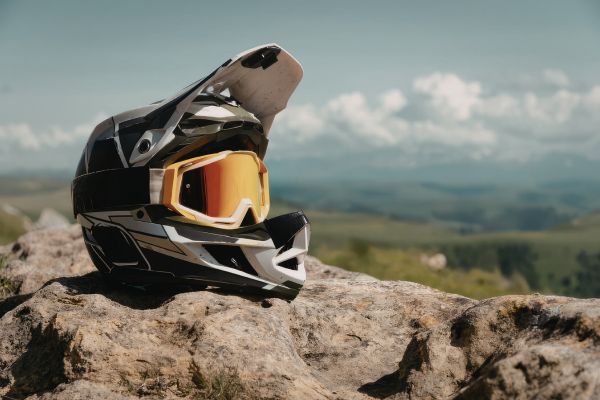
Not every helmet is made for the same cycling style. A road cycling helmet is usually light and well ventilated, while a mountain bike helmet may offer more coverage around the back of the head. Commuter helmets often balance comfort, durability, and visibility features. Children’s helmets are sized and shaped for smaller heads, not just made in brighter colors.
The best choice is the helmet that suits how and where you ride. For city riding, visibility and comfort may matter most. For trail riding, extra rear coverage can be useful. For long-distance cycling, airflow and weight become more important because discomfort can make riders loosen straps or avoid wearing the helmet at all.
A helmet should also meet recognized safety standards in your region. Look for certification labels inside the helmet or on the packaging. These labels show that the helmet has passed basic impact protection testing. Style is fine, and comfort is important, but safety certification should come first.
Get the Fit Right Before You Ride
A helmet that does not fit correctly may shift during a crash, which means it may not protect the part of your head that needs it most. The helmet should sit level on your head, not tilted far back like a cap and not pulled too low over your eyes. A good rule is to leave about two finger-widths between your eyebrows and the front edge of the helmet.
Once it is on, the helmet should feel snug but not painful. If it rocks side to side or slides forward and backward, it needs adjustment. Most modern helmets have a rear dial or internal fit system that lets you tighten the shell gently around your head. Use it. The helmet should stay in place when you shake your head lightly, even before the chin strap is fully fastened.
This is one of the most practical bike helmet safety tips because many riders own decent helmets but wear them too loosely. A helmet cannot do its job well if it moves around at the exact moment you need it most.
Adjust the Straps Properly
Helmet straps can feel slightly annoying at first, especially if they rub or sit unevenly. But they are essential. The side straps should form a clean “V” shape around each ear. The buckle should sit under the chin, not on the side of the jaw. When fastened, the strap should be snug enough that you can fit only one or two fingers between the strap and your chin.
Try opening your mouth wide after fastening the helmet. You should feel the helmet pull down slightly. If nothing moves, the strap may be too loose. If it feels painful or restrictive, loosen it a little.
It is also worth checking the straps every few rides. They can loosen over time, especially on children’s helmets or shared family helmets. Sweat, movement, and regular use can shift the settings without you noticing.
Replace Your Helmet After a Crash
A helmet is designed to absorb impact. Once it has taken a hard hit, the inner foam may be damaged even if the outside looks fine. Small cracks, compressed foam, or hidden structural weakness can reduce protection in a future crash.
If you fall and hit your helmet, replace it. This can feel wasteful when the helmet still looks almost new, but it is a safety item, not a decoration. Its job is to sacrifice itself so your head does not take the full force.
You should also replace a helmet that has visible cracks, broken straps, a damaged buckle, or foam that feels loose or brittle. Age matters too. Over time, sunlight, heat, sweat, and general wear can weaken materials. If a helmet is several years old and has seen regular use, it may be time to retire it.
Do Not Wear a Helmet Over Thick Hats or Loose Accessories
In cold weather, riders sometimes put a thick winter hat under a helmet. It feels warm, but it can ruin the fit. A bulky hat may lift the helmet too high or prevent it from sitting securely on the head. During a crash, the helmet may shift or come off.
Thin cycling caps, helmet liners, or low-profile winter skull caps are better options because they are designed to fit under helmets. The same idea applies to large hair clips, bulky headphones, or anything else that changes the way the helmet sits.
Comfort matters, of course. No one enjoys freezing ears or an uncomfortable ride. But warmth should not come at the cost of protection.
Make Visibility Part of Helmet Safety
A helmet protects your head during impact, but it can also help make you more visible before anything goes wrong. Bright colors, reflective stickers, and built-in lights can help drivers, pedestrians, and other cyclists notice you sooner.
This is especially useful for commuters who ride early in the morning, near sunset, or after dark. A matte black helmet may look sleek, but it can disappear in low light. If you prefer a darker helmet, reflective details can make a meaningful difference.
Helmet visibility should not replace bike lights, reflective clothing, or safe riding habits. Think of it as one extra layer. On the road, being seen early often gives everyone more time to react.
Teach Children Helmet Habits Early
For children, helmet safety is partly about protection and partly about habit. A child who learns to wear a helmet every time they ride is more likely to carry that habit into adulthood. The key is consistency. If helmets are optional in the driveway but required on the road, kids may see them as something negotiable.
Children’s helmets need regular fit checks because kids grow quickly. A helmet that fit well last spring may sit too high or feel too tight now. Parents should also check the straps, buckles, and foam for damage. Kids drop helmets, toss them into garages, and sometimes use them in ways adults would never expect.
It also helps when adults model the behavior. Telling a child to wear a helmet while riding without one sends a mixed message. Wearing your own helmet makes the rule feel normal rather than forced.
Avoid Buying Used Helmets Without Knowing Their History
A secondhand helmet may look like a bargain, but it comes with a problem: you may not know whether it has been in a crash. Hidden damage is difficult to spot, especially inside the foam. A used helmet may also be older than it appears or may no longer meet current safety expectations.
If you know the helmet’s full history and can confirm it has never been crashed, dropped hard, or stored poorly, it may be acceptable in some situations. But for most riders, especially children, a new properly certified helmet is the safer choice.
A helmet does not need to be the most expensive model on the shelf to be useful. Fit, certification, and condition matter far more than flashy design.
Store Your Helmet Carefully
Helmets are tougher than they look, but they are not indestructible. Leaving a helmet in direct sun, inside a hot car, or under heavy objects can shorten its life. Heat can affect materials, and pressure can damage the foam or shell.
After a ride, let the helmet dry if it is sweaty or wet. Store it somewhere cool and dry, away from chemicals, sharp tools, or places where it might fall repeatedly. A simple shelf or hook works well.
This small habit keeps the helmet cleaner and helps preserve its protective structure. It also makes it easier to find before your next ride, which means you are less likely to skip it.
Pair Helmet Safety With Smarter Riding
A helmet is important, but it works best alongside good riding judgment. Obey traffic rules, signal turns, scan ahead, and avoid distractions. Keep your bike maintained, especially the brakes and tires. Ride at a speed that matches the conditions, not just your confidence level.
Wet leaves, gravel, potholes, parked cars, and distracted drivers can all change a ride in seconds. A careful cyclist still needs a helmet because not every risk is under their control. At the same time, a helmet should never become an excuse to ride recklessly.
The safest riders are usually not the ones with the most expensive gear. They are the ones who pay attention, prepare well, and respect how quickly conditions can change.
Conclusion
Bike helmet safety is not complicated, but it does require consistency. Choose a certified helmet that suits your riding style, make sure it fits properly, adjust the straps, and replace it after a serious impact. Store it well, keep it visible, and make helmet use a normal part of every ride.
In the end, the best helmet is not the one hanging in the garage or clipped to a backpack. It is the one sitting correctly on your head when the unexpected happens. Cycling should feel free, enjoyable, and open to everyone, but a little preparation makes that freedom much safer. These bike helmet safety tips are simple, practical, and worth remembering every time you roll out the door.