

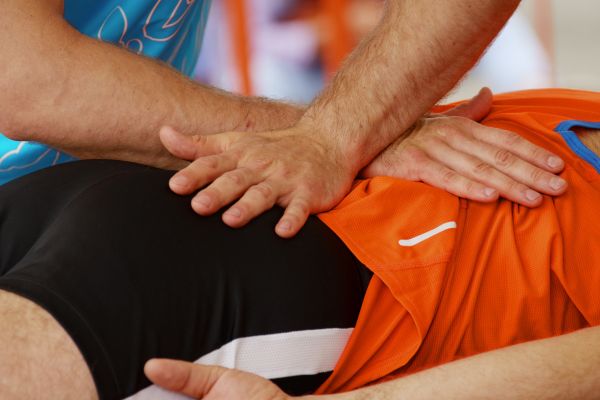
Injury recovery rarely follows a neat, straight road. One week the body feels loose and hopeful, the next week a stiff calf, sore shoulder, or tender hamstring reminds an athlete that healing has its own pace. Whether the injury comes from a hard tackle, a long run, a rushed warm-up, or simple overuse, recovery usually asks for patience, movement, rest, and the right kind of support.
That is where sports massage for injury recovery often enters the conversation. It is not a magic fix, and it should not replace medical care, physiotherapy, or a proper rehabilitation plan. But when used at the right stage and in the right way, sports massage can help the body feel less guarded, more mobile, and better prepared for the gradual return to activity.
Understanding Sports Massage in the Recovery Process
Sports massage is a targeted form of soft-tissue work designed around the demands placed on muscles, tendons, fascia, and joints during physical activity. Unlike a general relaxation massage, it is usually more focused. A therapist may work around tight areas, overused muscles, old strain patterns, or tissues that have become stiff after reduced movement.
During injury recovery, the aim is not simply to “rub out” pain. That idea is too simple. Good sports massage is more thoughtful than that. It may help reduce muscle tension, encourage easier movement, improve body awareness, and make it more comfortable for an athlete to continue with rehab exercises.
The timing matters. A fresh injury with swelling, bruising, sharp pain, or inflammation should not be treated aggressively. In the early stage, the body needs protection and proper assessment. Later, once the acute phase has settled and a healthcare professional has cleared the area for soft-tissue work, massage can become a useful part of the recovery plan.
How Muscle Tension Slows Healing
After an injury, the body often protects itself by tightening nearby muscles. This is natural. If the ankle is sprained, the calf may stiffen. If the lower back is irritated, the hips may become guarded. If the shoulder is strained, the neck and upper back may start working overtime.
At first, this protective tension can help limit painful movement. But over time, too much guarding may create a new problem. Muscles can become overactive, joints may feel restricted, and normal movement patterns can become awkward. An athlete may start compensating without even noticing it.
Sports massage can help calm this unnecessary tension. By working through tight or overworked areas, it may allow the body to move with less resistance. This does not mean the injury is instantly healed. It means the surrounding soft tissue may become more cooperative, which can make stretching, strengthening, and controlled movement feel easier.
Supporting Circulation Without Forcing the Body
One of the common reasons people use sports massage for injury recovery is to support circulation. Healthy blood flow helps deliver oxygen and nutrients to tissues, while the lymphatic system helps move fluid and waste products through the body. After an injury, especially one involving swelling or reduced movement, circulation around the area can feel sluggish.
Gentle massage techniques may encourage fluid movement and ease the heavy, stiff feeling that often comes after rest or immobilization. This can be particularly helpful when someone has been avoiding normal movement because of pain.
Still, pressure should match the stage of recovery. Deep massage too soon after an injury can irritate tissue rather than help it. A skilled therapist will usually avoid direct, forceful work on fresh swelling, bruising, or sharp tenderness. Recovery is not about attacking the painful spot. It is about helping the body regain comfort and function step by step.
Reducing Soreness and Post-Injury Stiffness
Soreness is one of the most frustrating parts of returning to sport. Even after the main injury begins to settle, the body may feel unfamiliar. Muscles that have not been used normally for days or weeks can ache quickly. Small rehab exercises may feel surprisingly tiring. That stiffness can make an athlete nervous, especially if they are worried about re-injury.
Sports massage may help reduce this sense of soreness and stiffness. It can make tight areas feel less restricted and help the athlete move with more confidence. That confidence matters, especially when the body has been through pain, rest, and uncertainty.
That distinction is important. Massage can help someone feel better, move more freely, and tolerate recovery work more comfortably. But it does not replace the training effect of progressive strengthening, balance work, mobility drills, or sport-specific practice.
Helping Restore Range of Motion
Injury often changes the way a joint moves. A knee may not bend as easily. A shoulder may feel restricted overhead. A hip may feel tight after a groin strain. Sometimes this loss of motion comes from swelling or tissue damage. Other times it comes from fear, guarding, or long periods of limited activity.
Sports massage can help by addressing the soft tissues around the restricted area. For example, after a hamstring strain, the therapist may work not only on the hamstring but also on the glutes, calves, lower back, and hip muscles. The body is connected, and one tight area often influences another.
When range of motion improves, rehab exercises often become more effective. The athlete may squat with better control, reach overhead more comfortably, or walk without such an obvious limp. These changes might seem small at first, but small improvements are often what build confidence during recovery.
The Role of Pain Relief and Nervous System Calm
Pain is not only a tissue issue. It also involves the nervous system. After injury, the body can become more sensitive. Movements that are not dangerous may still feel threatening. A tight muscle may feel worse because the nervous system is on high alert.
Massage may help create a calming effect. The steady pressure, slower breathing, and improved comfort can shift the body away from that tense, braced state. Even short-term relief can be useful when it helps someone sleep better, move more confidently, or complete rehab exercises with less fear.
Recovery is physical, yes, but it is also emotional. Athletes often need reassurance from their own bodies before they trust movement again. A careful massage session can sometimes provide that reassurance by helping the body feel less tense and more familiar.
When Sports Massage Should Be Avoided
Sports massage is not suitable for every injury or every stage of healing. It should be avoided over fresh bruising, open wounds, suspected fractures, blood clots, infections, severe swelling, or areas with unexplained sharp pain. If the injury happened suddenly and the athlete cannot bear weight, move the joint, or control pain, medical assessment should come first.
It is also worth being careful with deep tissue work when the body is already irritated. More pressure is not always better. Some athletes think a massage has to hurt to work, but that is not true. Discomfort may happen in tight areas, but sharp pain, burning, numbness, or increased symptoms afterward are warning signs.
A good recovery massage should leave the body feeling easier, not beaten up.
Combining Massage With Rehabilitation
The best results usually come when sports massage is part of a wider recovery plan. Strengthening restores capacity. Mobility work restores movement. Balance and coordination drills rebuild control. Gradual sport-specific training prepares the athlete for real demands again.
Massage can support these steps by making the body more comfortable and responsive. For example, a runner recovering from a calf strain may use massage to reduce tightness before progressing to calf raises, walking drills, and eventually controlled running. A tennis player with shoulder stiffness may benefit from soft-tissue work around the chest, upper back, and rotator cuff before rebuilding serve mechanics.
The massage itself is not the whole recovery. It is one tool that can help the rest of the recovery process work better.
Returning to Sport With Better Body Awareness
One overlooked benefit of sports massage for injury recovery is improved body awareness. During a session, athletes often notice areas they had ignored. A tight hip, a stiff ankle, an overworked shoulder, or an uneven feeling between sides can become more obvious.
This awareness can be helpful. It teaches athletes to notice early warning signs before they turn into bigger problems. Many injuries build quietly through fatigue, poor mechanics, or repeated stress. When athletes understand their bodies better, they can warm up more carefully, rest sooner, and adjust training before pain takes over.
In that sense, sports massage is not only about recovery from one injury. It can also encourage smarter habits after the athlete returns.
Conclusion
Sports massage can play a valuable role in injury recovery when it is used with care, patience, and realistic expectations. It may help reduce muscle tension, improve flexibility, support circulation, ease soreness, and make movement feel less guarded. For many athletes, that comfort matters. It helps them reconnect with their body at a time when pain and uncertainty can make every movement feel questionable.
Still, massage is not a shortcut around proper healing. It works best alongside medical guidance, physiotherapy, rest, strengthening, and a gradual return to sport. The goal is not just to feel better for a day. The goal is to move better, recover wisely, and return with more confidence than before.