

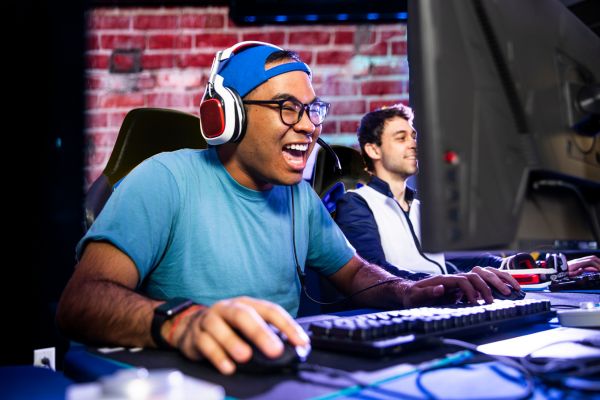
The idea of making a living by playing video games used to sound like a fantasy. Now, it’s a legitimate career path—one that demands just as much discipline, strategy, and resilience as traditional sports. If you’ve ever wondered how to become a pro esports player, the truth is both exciting and sobering: talent helps, but it’s only the beginning.
Behind every highlight reel is a long grind of practice, failure, and constant adaptation. Becoming a professional gamer isn’t about luck or viral fame. It’s about building skill, reputation, and mental toughness over time.
Understanding What “Pro” Really Means
Before diving in, it’s important to redefine what being “pro” actually looks like. It’s not just about winning tournaments or streaming to thousands of viewers. A professional esports player consistently competes at a high level, often as part of a team, and earns income through tournaments, sponsorships, or contracts.
This means treating gaming like a job—even when it stops feeling like pure fun. There are schedules, expectations, and pressure to perform. Many aspiring players underestimate this shift, assuming passion alone will carry them through. It won’t.
Choosing the Right Game for Your Journey
One of the first real decisions you’ll make is selecting a game to specialize in. Not every game offers a strong esports ecosystem, so your choice matters more than you might think.
Popular competitive titles like Valorant, League of Legends, Counter-Strike, and Dota 2 have established scenes with structured tournaments and teams. But beyond popularity, you need to consider whether the game suits your strengths.
Fast reflexes, strategic thinking, teamwork, and communication all play different roles depending on the genre. A player who thrives in tactical shooters might struggle in real-time strategy games. Finding the right fit early can save years of frustration.
Building Skill Through Deliberate Practice
Casual play won’t get you very far. If you’re serious about learning how to become a pro esports player, your practice needs to be intentional.
Deliberate practice means focusing on specific weaknesses instead of just playing more matches. It could involve reviewing replays, analyzing mistakes, or drilling mechanics repeatedly. Top players don’t just grind—they refine.
It’s also important to separate practice from performance. Ranked matches can help, but they often reinforce habits rather than fix them. Structured training sessions, even if they feel repetitive, are where real improvement happens.
Developing Game Sense and Strategy
Mechanical skill is only one part of the equation. Game sense—the ability to read situations, predict opponents, and make smart decisions under pressure—is what separates good players from great ones.
This comes with experience, but it can also be accelerated through study. Watching professional matches, breaking down strategies, and understanding meta shifts can give you an edge.
Over time, you start recognizing patterns. You anticipate plays before they happen. That awareness is what makes your gameplay feel “effortless” to others, even though it’s the result of countless hours of learning.
The Role of Consistency and Discipline
There’s a common misconception that esports success comes from bursts of intense effort. In reality, it’s built on consistency.
Practicing a few hours every day, maintaining a routine, and staying focused over months or years is far more valuable than occasional all-night sessions. Discipline matters more than motivation, especially on days when you don’t feel like playing.
Burnout is also a real concern. Many players push too hard too quickly and lose interest before they ever reach a competitive level. Finding a sustainable rhythm is key to long-term progress.
Climbing the Competitive Ladder
At some point, you need to move beyond casual play and test yourself in competitive environments. This usually starts with ranked modes, but it doesn’t stop there.
Online tournaments, amateur leagues, and community events are where you begin building your reputation. These platforms allow you to gain experience under pressure and start connecting with other players.
Winning isn’t always necessary at this stage. What matters is performance, consistency, and visibility. People notice players who stand out—even in smaller competitions.
Joining a Team and Learning Collaboration
Esports is rarely a solo journey. Most competitive games require teamwork, and your ability to communicate and cooperate can be just as important as your individual skill.
Joining a team introduces a new layer of complexity. You’re no longer playing for yourself—you’re part of a system. Roles become defined, strategies are coordinated, and accountability increases.
This is also where many players struggle. Being talented isn’t enough if you can’t work well with others. Ego, poor communication, or lack of adaptability can hold you back more than any mechanical weakness.
Building Your Presence in the Gaming Community
While performance is the foundation, visibility plays a role in modern esports careers. Streaming, creating content, or simply being active in the community can help you get noticed.
You don’t need to be an entertainer, but having some form of presence makes it easier for teams and organizations to recognize you. It also opens doors to opportunities beyond competition.
That said, it’s important not to lose focus. Content creation should support your growth as a player, not replace it.
Learning from Losses and Staying Mentally Strong
If there’s one constant in esports, it’s losing. Even top players experience defeat regularly. What sets professionals apart is how they respond.
Instead of getting frustrated or discouraged, they analyze what went wrong and use it as a learning opportunity. This mindset is crucial if you want to progress.
Mental resilience also plays a role during matches. High-pressure situations can lead to mistakes if you’re not composed. Staying calm, focused, and adaptable is a skill in itself—one that takes time to develop.
Understanding the Realities of the Industry
It’s easy to focus on the glamorous side of esports—big tournaments, sponsorships, and recognition. But the reality is more nuanced.
The path is highly competitive, and only a small percentage of players reach the top tier. Income can be inconsistent, especially in the early stages. There’s also a limited window for peak performance compared to traditional careers.
This doesn’t mean it’s not worth pursuing. It just means you need to approach it with realistic expectations and a long-term mindset.
Balancing Gaming with Health and Lifestyle
Spending hours in front of a screen can take a toll on your physical and mental health. Professional players understand the importance of maintaining balance.
Regular exercise, proper sleep, and healthy habits contribute directly to performance. Reaction time, focus, and endurance all depend on your overall well-being.
Ignoring this aspect is one of the most common mistakes aspiring players make. Treating your body well isn’t separate from your gaming—it’s part of it.
Knowing When You’re Ready to Go All In
There comes a point where you need to decide how serious you want to be. For some, esports remains a passion alongside other commitments. For others, it becomes the main focus.
Going all in doesn’t mean dropping everything overnight. It means gradually increasing your commitment as you see progress and opportunities emerge.
If you’re consistently performing well, gaining recognition, and feeling confident in your abilities, it might be time to take that next step.
Conclusion: The Long Game Behind the Dream
Figuring out how to become a pro esports player isn’t about finding a shortcut—it’s about committing to a long, often unpredictable journey.
There’s no single path that guarantees success. Some players rise quickly, while others spend years refining their craft. What they all share is persistence, adaptability, and a willingness to keep improving.
In the end, becoming a professional gamer is less about chasing a title and more about embracing the process. The hours of practice, the lessons from losses, the small victories along the way—those are what shape you into a player capable of competing at the highest level.
If you’re willing to put in the work and stay patient, the path is there. It’s not easy, but it’s real.