

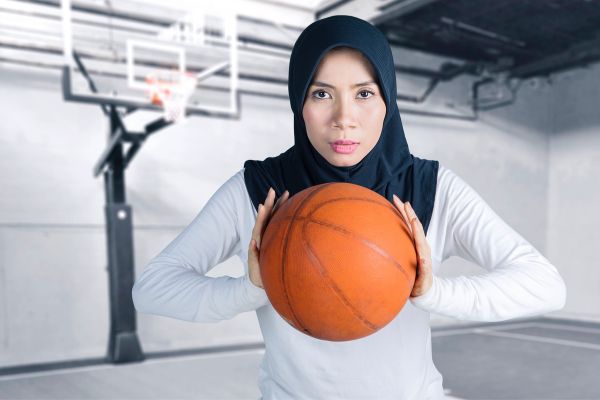
Women’s sports apparel trends have never been more interesting—or more reflective of how women actually live, move, and feel in their bodies. What was once a narrow category dominated by performance basics has evolved into a dynamic space where function, comfort, identity, and culture all collide. Today’s sportswear isn’t just about breaking a sweat. It’s about confidence, versatility, and personal expression, whether you’re training for a marathon, heading to a yoga class, or simply running errands between meetings.
This shift didn’t happen overnight. It’s the result of changing lifestyles, broader conversations around body positivity, and a growing demand for clothing that works just as hard as the women who wear it. Let’s take a closer look at the forces shaping modern women’s sports apparel trends and why they matter far beyond the gym.
The Rise of Everyday Athletic Wear
One of the most defining changes in women’s sports apparel trends is how seamlessly athletic wear has blended into daily life. Sports clothing is no longer reserved for workouts alone. Leggings, sports bras, and lightweight jackets now appear in cafés, airports, and casual offices without raising an eyebrow.
This evolution reflects how fitness has become less compartmentalized. Many women move fluidly between activities throughout the day, and their clothing needs to keep up. Soft fabrics, flexible fits, and clean silhouettes make it easy to transition from a morning workout to an afternoon coffee without changing outfits. Comfort is no longer a guilty pleasure—it’s an expectation.
The appeal lies in effortlessness. When sportswear looks polished enough to wear anywhere, it becomes a reliable uniform rather than a niche choice. That practicality is one reason athletic clothing continues to dominate wardrobes worldwide.
Performance Fabrics That Feel Good on the Skin
Fabric innovation sits at the heart of modern women’s sports apparel trends. Today’s materials are lighter, more breathable, and far more responsive to movement than what was available even a decade ago. Moisture-wicking technology has become standard, but the focus has expanded beyond technical performance alone.
Softness matters now. Many women want fabrics that feel gentle against the skin while still offering support and durability. Stretch blends that move naturally with the body reduce distractions during workouts and help clothing maintain its shape over time. There’s also a growing interest in temperature-regulating textiles that adapt to changing conditions, making apparel more versatile across seasons.
What’s notable is how these technical upgrades are increasingly subtle. Performance features are built into the fabric rather than loudly advertised, allowing the clothing to feel less “gear-like” and more like something you’d actually want to live in.
A Shift Toward Inclusive and Realistic Fit
Another powerful force shaping women’s sports apparel trends is the push for inclusivity. For years, athletic clothing catered to a narrow range of body types, often leaving many women feeling overlooked or uncomfortable. That narrative is slowly changing.
Brands are expanding size ranges, rethinking proportions, and designing with different body shapes in mind. High-rise leggings, adjustable straps, and supportive waistbands aren’t just style choices—they’re responses to real feedback from real women. The goal is no longer to force bodies to fit clothes, but to create clothes that adapt to bodies.
This shift also shows up in how sports apparel is discussed and presented. The emphasis has moved away from perfection and toward strength, movement, and self-acceptance. Clothing that fits well encourages confidence, and confidence, in turn, makes people more likely to stay active.
Minimalism Meets Thoughtful Design
While bold patterns and statement pieces still have their place, many women’s sports apparel trends lean toward understated design. Clean lines, neutral tones, and subtle detailing dominate current collections. This minimalist approach isn’t about being boring—it’s about longevity and versatility.
Neutral colors pair easily with existing wardrobes and age more gracefully than loud prints. Thoughtful seam placement, discreet pockets, and streamlined cuts add function without clutter. These small design decisions often make the biggest difference, especially for women who value simplicity but still want their clothing to feel intentional.
Minimalism also reflects a desire for fewer, better pieces. Instead of buying multiple outfits for different activities, many women prefer versatile staples that can handle yoga, walking, or light training without feeling out of place.
Sustainability as a Growing Influence
Sustainability has become an increasingly important part of the conversation around women’s sports apparel trends. While not every consumer prioritizes eco-friendly materials, awareness has grown significantly. Many women now ask where their clothing comes from, how it’s made, and how long it’s likely to last.
Recycled fabrics, reduced water usage, and more transparent production processes are gaining attention. Beyond environmental impact, sustainability also ties into quality. Well-made sports apparel that holds up over time feels like a smarter investment than fast, disposable alternatives.
Interestingly, sustainability in sportswear often shows up quietly. Instead of flashy claims, it’s reflected in durable stitching, timeless designs, and fabrics that don’t lose their shape after a few washes. This quieter approach aligns well with the overall move toward mindful consumption.
Color Trends That Reflect Mood and Identity
Color plays a subtle but meaningful role in women’s sports apparel trends. While black remains a staple, there’s been a noticeable expansion into softer shades and earth-inspired tones. Muted greens, warm browns, dusty blues, and gentle pastels offer alternatives that feel calming rather than aggressive.
These color choices reflect a broader emotional shift. Fitness is no longer framed purely as high-intensity or competitive. For many women, it’s about balance, mental health, and enjoyment. Softer palettes align with that mindset, making sportswear feel less intimidating and more inviting.
At the same time, bold colors haven’t disappeared. Instead, they tend to appear as accents or seasonal highlights, allowing for self-expression without overwhelming the overall look.
The Blurring Line Between Function and Fashion
Perhaps the most fascinating aspect of women’s sports apparel trends is how closely function and fashion now interact. Sportswear designers draw inspiration from street style, while everyday fashion borrows performance elements from athletic clothing. The result is a hybrid aesthetic that feels modern and adaptable.
Details like cropped silhouettes, layered looks, and textured fabrics add visual interest without sacrificing comfort. Clothing no longer has to choose between looking good and working well—it’s expected to do both. This balance is especially appealing to women who want to feel put-together even when dressed casually.
The blurring of these boundaries also means sports apparel is becoming more expressive. Women can choose pieces that align with their personal style rather than settling for purely utilitarian options.
Conclusion: A Reflection of How Women Move Today
Women’s sports apparel trends tell a larger story about how women approach movement, health, and daily life. Today’s athletic clothing is softer, smarter, and more inclusive than ever before. It prioritizes comfort without ignoring style and embraces versatility over rigid definitions of what sportswear should be.
What stands out most is how closely these trends mirror real experiences. Women want clothing that supports their bodies, adapts to their routines, and feels good to wear—not just physically, but emotionally too. As lifestyles continue to evolve, sports apparel will likely keep shifting alongside them, reflecting not just how women work out, but how they live.
In that sense, women’s sports apparel trends are less about fashion cycles and more about understanding movement as a natural, everyday part of life. And that makes the future of sportswear feel refreshingly human.