

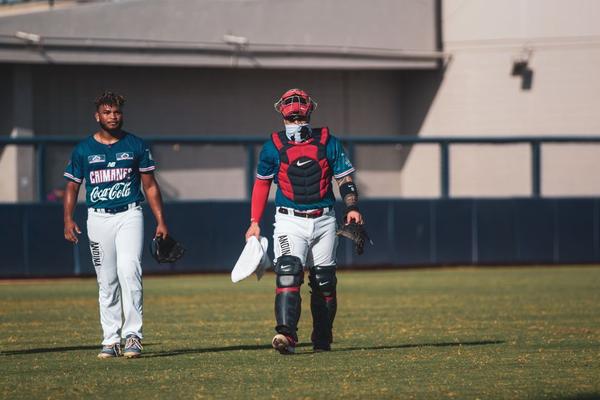
Catcher is one of the most equipment-heavy positions in baseball, so buying the right pieces in the right order matters. A useful catchers gear checklist is more than a shopping list: the helmet, chest protector, leg guards, mitt, and groin protection all need to fit together while allowing the player to squat, block, throw, and move comfortably.
For growing players, avoid buying gear that is obviously too large just to get another season from it. Oversized protection can shift, restrict movement, and leave padding in the wrong place. Fit the player now, then look for adjustable models that offer modest room for growth.
The Essential Catcher’s Gear Checklist
Catcher’s Helmet and Face Protection
Start with the helmet because it protects the head and face from foul tips, bounced pitches, and accidental bat contact. Hockey-style catcher helmets are common because they combine head coverage and a faceguard. Look for secure padding, a stable fit, clear vision, and hardware that stays tight.
Rules matter here. NOCSAE maintains a performance standard for newly manufactured baseball and softball catcher helmets with attached faceguards. Little League requires legal catcher headgear plus a dangling-type throat protector, and its current guidance does not permit skull caps. High school rules also require a compliant catcher helmet and mask combination. If you are buying used, inspect the certification mark, shell, padding, straps, and hardware rather than judging the helmet by appearance alone.
Catcher Chest Protector
A catcher chest protector should cover the torso without riding into the throat or hanging so low that it interferes with the squat. The shoulders should sit naturally, and the lower edge should stay close to the body when the catcher drops to block.
For high school baseball, the chest protector must meet the applicable NOCSAE standard at the time of manufacture. That standard addresses protection against commotio cordis, a rare but serious heart-rhythm event associated with a blow to the chest. Other leagues may use different wording, so check the player’s current rulebook before purchasing.
Catcher Leg Guards
Catcher leg guards protect the knees, shins, and parts of the ankles while still needing to flex through repeated squats. The knee cap should line up with the player’s knee, the shin plate should stay centered, and the guard should not rotate during lateral movement.
Whenever possible, fit catcher leg guards while the player is wearing baseball pants and cleats. If the bottom guard constantly hits the cleat or the knee cap sits below the knee, try another size.
Catcher’s Mitt
A catcher’s mitt has a deeper pocket and heavier padding than a standard fielding glove. Catchers mitt sizing is normally listed by circumference. Youth models are commonly available around 32 to 32.5 inches, while older players often use larger patterns, but hand size, strength, pocket depth, and manufacturer fit matter as much as the number.
For a younger catcher, choose a mitt the player can close securely now. An expensive, very stiff glove is not a good fit if the catcher cannot control it. Older or high-volume catchers may benefit from higher-grade leather that withstands repeated impact better.
Protective Cup and Supporter
Groin protection belongs in the core setup. Little League requires male catchers to wear a protective supporter and cup, while high school baseball also requires a protective cup for male catchers. Choose a system that stays secure during squatting, running, and throwing without creating pressure points.
Useful Extras for a Complete Setup
Throat Guard, Knee Support, and Hand Protection
A separate dangling throat guard may be required depending on the league and helmet system; Little League specifically requires one. Knee savers are optional and can make time in the squat more comfortable for some players. Padded inner gloves or wrist guards are also optional for catchers who want extra cushioning from repeated impact.
Gear Bag and Basic Maintenance Supplies
Catcher gear is bulky, so a roomy equipment bag helps prevent leg guards from being bent and helmet padding from being crushed. A small towel, mild cleaning supplies, and spare straps or clips can also be useful during a long season.
Inspect the gear before games. Check the helmet for cracks or missing padding, test buckles and straps, look for damaged leg-guard shells, and make sure the chest protector is dry and intact. Little League guidance specifically emphasizes regular inspection and removing unsafe equipment from use.
What to Buy First on a Limited Budget
If you cannot buy the entire set new at once, spend first on fit-critical safety equipment. Prioritize a properly fitting helmet, chest protector, and leg guards that meet the player’s league requirements, plus required groin protection. A mitt is essential too, but a sound, properly sized used mitt can be a more sensible temporary purchase than used protective headgear with an unknown history.
Consider a 12-year-old moving from occasional catching to a full travel season. A discounted adult-size kit may look like better value, but oversized guards and a loose chest protector can shift during blocks. Fitting the protective pieces individually and choosing a youth-friendly mitt the player can close now may cost a little more, but it usually produces a far more functional setup.
How to Check the Fit Before You Keep It
Have the catcher put on the complete set. Ask for several full squats, blocks to both sides, pop-ups into a throwing stance, and short sprints. The helmet should remain stable, the chest protector should not climb into the neck, and the leg guards should stay centered. The mitt should close around a ball without excessive effort.
Related guides on baseball glove sizing, youth baseball equipment, and catcher drills are useful next reads once the protective setup is sorted.
Frequently Asked Questions
What gear does a baseball catcher need?
The core set includes a catcher helmet and face protection, chest protector, leg guards, catcher’s mitt, and appropriate groin protection. A throat guard may also be required depending on the league. Check the current rules for the player’s organization.
How should catcher leg guards fit?
The knee cap should align with the knee, the shin plate should remain centered, and the guards should not twist or slide during squats and lateral movement. They should protect without interfering with the cleats.
How do I choose the right catcher’s mitt size?
Start with the manufacturer’s catcher-specific sizing guidance, then judge how well the player can close the mitt and control the pocket. Younger players often benefit from smaller, easier-closing patterns.
Can catcher gear be bought used?
A used mitt can be a good value if it is structurally sound. Be more cautious with helmets and protective gear because cracks, missing certification information, modifications, or unknown impact history can make a bargain a poor choice.
Build the Set Around Fit
The best catchers gear checklist leads to equipment that fits the player today, meets the league’s rules, and allows natural movement behind the plate. Spend carefully on the protective core, verify current safety requirements, and avoid oversized bundles that trade fit for future growth. When the gear stays in place and feels natural, the catcher can focus on receiving, blocking, throwing, and managing the game.