

The Summer and Winter Olympics share the same Olympic identity, but the experience of watching, hosting, and competing in them is very different. The simplest distinction is obvious: the Summer Games focus mainly on warm-weather and indoor sports, while the Winter Games are built around sports performed on snow and ice. That difference shapes almost everything else, from venues and athlete pathways to event formats, host-city requirements, and the competition calendar.
How the Summer and Winter Olympics fit together
The modern Summer Olympics began in Athens in 1896, while the first Olympic Winter Games were held in Chamonix in 1924. Today, both editions take place on four-year cycles, but they are staggered. Since the 1990s, the Winter Olympics have been scheduled midway between Summer Olympic editions, so an Olympic Games normally arrives every two years.
They are not separate sporting movements. Both operate within the Olympic framework, bring together athletes entered by National Olympic Committees, award Olympic medals, and use many of the same ceremonies and symbols. The main Olympic Games differences come from the sports themselves and the environments needed to stage them.
Sports: the biggest difference
The Summer Olympics have a broader programme. They include athletics, swimming, gymnastics, cycling, football, basketball, combat sports, racket sports, water sports, and many other disciplines. Because many can be staged in conventional stadiums, arenas, pools, roads, and halls, the Summer Games support a large and varied schedule.
The Winter Olympics are more specialised. Their programme centres on skiing, snowboarding, skating, ice hockey, curling, bobsleigh, skeleton, luge, biathlon, and related disciplines. Milano Cortina 2026, for example, included ski mountaineering as an Olympic sport, showing how the winter programme can evolve while remaining tied to snow and ice.
This is why a summer olympics vs winter olympics comparison is not simply about temperature. The Summer Games cover a wider range of movement types and playing environments, while the Winter Games depend far more heavily on cold-weather surfaces, elevation, snow quality, and ice preparation.
Venues and host-city requirements
Hosting the Summer Olympics usually requires a network of large-capacity venues, including an athletics stadium, aquatics facilities, indoor arenas, training sites, and outdoor courses. Transport, accommodation, security, and spectator flow must work across a large urban footprint.
Winter hosts face a different challenge. Ice events can be staged in arenas, but alpine skiing, ski jumping, sliding sports, and cross-country skiing need specialised terrain and facilities. A host region may therefore spread events across a city, mountain resorts, and separate competition clusters.
Weather also has a greater operational role in the winter games. Heavy snow, insufficient snow, wind, fog, or changing mountain conditions can affect schedules and safety. Snowmaking and detailed forecasting help organisers, but suitable winter conditions still matter.
Seasons and athlete pathways
The Summer Olympics are generally held during warmer months, although exact dates depend on the host climate. Heat can become a major concern for endurance events. The Winter Olympics must align more closely with a reliable snow-and-ice season, making geography, altitude, and access to winter terrain especially important.
Qualification varies by sport in both editions, but winter athletes often develop within narrower geographic and seasonal systems. A young alpine skier, ski jumper, or bobsleigh athlete usually needs access to specialised facilities that are unavailable in many countries. Many summer sports can be practised in a wider range of climates and communities, even though elite training still requires major resources.
A practical example is athlete development in speed skating versus sprinting. A talented runner may begin on a school track or open field before progressing into formal coaching. A speed skater needs regular access to suitable ice, technical equipment, and specialised coaching much earlier. The pathway is not necessarily harder, but it is more infrastructure-dependent.
Event formats and what spectators notice
Both Olympic editions mix races, judged events, head-to-head contests, and team competitions, yet the balance feels different. The Summer Games feature multi-day team tournaments, track finals, combat brackets, artistic routines, and distance races. The Winter Games place more emphasis on timed downhill runs, ice races, judged aerial or figure-skating performances, sliding events, and tournaments on ice.
Conditions can also change more visibly during outdoor winter competition. Snow texture, wind, visibility, and course temperature may influence tactics from one run to the next. Weather matters in summer competition too, but many major events take place in more controlled stadium or indoor settings.
Traditions the two Games share
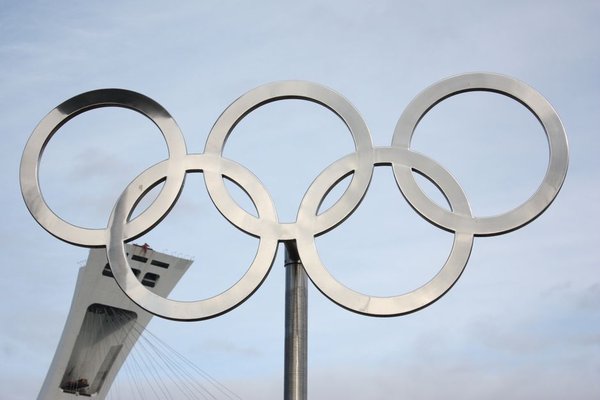
Despite the differences, the Olympic experience has a familiar core. Both editions use opening and closing ceremonies, medal ceremonies, the Olympic rings, athlete delegations, an Olympic Village system, and a torch relay connected to the host edition. Gold, silver, and bronze medals reward the top finishers.
That shared identity is why the summer games and winter games feel related even when the sports look completely different. A swimming final and a downhill ski race require different venues, equipment, skills, and tactics, but both sit within the same Olympic tradition of international competition.
Which Olympics are bigger?
The Summer Olympics are generally larger in terms of sports, athletes, events, and participating nations. Their broader programme and more widely accessible sports create a bigger overall footprint. The Winter Olympics are smaller, but their recurring mountain and ice settings give them a distinctive identity.
“Bigger” does not mean more important. Olympic medals carry the same Olympic status, and each edition represents the highest-profile stage for many of its sports. Readers exploring the topic further may also find a Summer Olympics guide, Winter Olympics guide, and Olympic sports explained overview useful.
FAQ
Are the Summer and Winter Olympics held in the same year?
No. They were once held in the same calendar year, but the schedules were later separated. Each edition still follows a four-year cycle, with Summer and Winter Olympics normally alternating every two years.
Do athletes compete in both the Summer and Winter Olympics?
It is possible, but rare. The physical skills, qualification systems, equipment, and seasonal calendars are usually very different, so most athletes specialise in one Olympic environment.
Why are there fewer sports in the Winter Olympics?
Winter Olympic sports must be suitable for snow or ice, which naturally limits the programme. They also require specialised venues and climate conditions that are not needed for most Summer Olympic sports.
Do both Olympics use the same traditions?
Yes. Both follow the same core Olympic traditions, including medal ceremonies, opening and closing ceremonies, national delegations, and Olympic symbols, although each host creates its own visual style and presentation.
Final comparison
The clearest way to understand summer vs winter olympics is to look beyond the season. The Summer Olympics offer a larger and more varied sports programme across stadiums, arenas, pools, roads, and outdoor venues. The Winter Olympics depend on snow, ice, mountain terrain, and highly specialised facilities. Those differences shape who can train, where events can be hosted, how competitions are scheduled, and what spectators see. At the same time, both remain part of one Olympic movement, sharing the same medal tradition, international stage, and four-year cycle for each edition.