

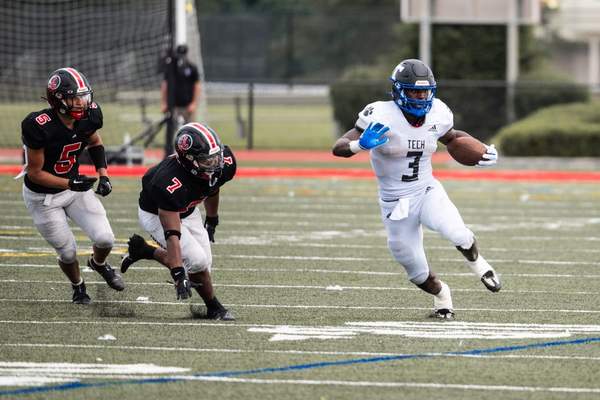
The college football transfer portal is often compared with professional free agency, but that creates confusion. It is not a marketplace, scholarship guarantee, or automatic release from academic requirements. It is a private NCAA database listing student-athletes who have formally notified their schools that they intend to explore a transfer. Once properly entered, other programs can begin recruiting.
What the transfer portal actually does
A player does not personally upload a profile. The student-athlete gives written notification to the current school and completes the required transfer education process. The school then enters the player’s information into the NCAA database. In Division I, schools generally have two business days after those steps to make the entry.
Portal entry gives other schools permission to contact and recruit the athlete. It does not mean the player has left the original school, been admitted elsewhere, received a scholarship, or secured a roster spot. A player can withdraw, although returning to the same team or keeping the same financial arrangement may depend on the school.
How the 2026 football transfer window worked
For the 2026 Division I football cycle, the standard notification window ran from January 2 through January 16. That single 15-day period replaced the previous model with separate December and spring windows. It applied to undergraduate and postgraduate Division I football players initiating the notification-of-transfer process.
The window controls when a player must begin portal entry. It is not necessarily the deadline to choose a school, sign financial-aid paperwork, enroll, or join a roster. Once properly entered during a window or exception, the athlete may continue evaluating options after it closes.
Postseason and coaching-change exceptions
Players whose teams competed in a postseason game on or after January 12 could receive an additional five-day notification period beginning the day after their final contest. That protected athletes on late-playing teams preparing for a bowl, the College Football Playoff, or the FCS postseason.
A separate exception applied after a head-coaching change. Under the 2026 framework, a 15-day period could open after the new coach was hired or announced, following a short waiting period. Rules also covered cases in which a replacement was not named quickly. Transfer portal windows can change, so players should confirm dates with their compliance office rather than relying on an old graphic.
As of August 2026, a proposal to shorten a future window was still under consideration, so dates should be checked every cycle.
Transfer eligibility is a separate question
Getting into the portal and being eligible to compete at the next school are different issues. Division I rules generally allow an undergraduate transfer to compete immediately when the athlete leaves the previous institution academically eligible and in good standing, then satisfies progress-toward-degree and other requirements at the new institution.
Graduate transfers generally must have earned a degree, left academically eligible, enrolled full time in an appropriate postgraduate program, and continued meeting academic standards. Multiple transfers do not automatically require a season on the sideline, but every move must satisfy academic and admission rules.
The biggest practical problem is often lost academic progress. Credits may transfer as electives but fail to count toward a major. A junior could be admitted yet fall behind the percentage-of-degree requirements needed to play. Before committing, the athlete should request a written credit evaluation and ask how the proposed major affects immediate eligibility.
A practical example
Imagine a quarterback enters with two seasons remaining. School A offers a prominent role, but only part of his coursework fits its degree plan. School B offers a less certain depth-chart position but accepts nearly all his credits. The better headline may be School A, while the safer eligibility decision may be School B. Review transfer eligibility rules before a commitment, not after enrollment.
Scholarships, roster space, and revenue sharing
Portal entry does not preserve a player’s current scholarship indefinitely, and it does not force another school to provide aid. The athlete must understand the current institution’s policy and get the destination school’s offer in writing.
The 2026 environment also includes institutional financial benefits connected to the House settlement framework. These school-provided benefits are distinct from ordinary third-party NIL deals, even though fans often group every payment under the NIL label. A transfer should ask whether an offer involves athletic aid, institutional revenue-sharing benefits, a legitimate third-party NIL agreement, or a combination.
How NIL affects transfers in 2026
Transferring athletes may discuss, negotiate, and enter legitimate commercial NIL agreements before enrolling at a new Division I school. A valid deal must involve real use of the athlete’s name, image, or likeness, such as advertising, appearances, social content, or endorsements. Payment simply for attending a school or performing well remains prohibited as pay-for-play.
Division I athletes generally must disclose qualifying third-party NIL deals valued at $600 or more through the designated system. A Division I-to-Division I transfer continues to face reporting deadlines for new or changed agreements. Athletes arriving from another division may have obligations tied to deals made from the date they enter the portal.
For NIL transfers, insist on written terms identifying the payer, payment schedule, required services, cancellation rights, and what happens if the athlete changes schools again. Verbal promises from people loosely connected to a program are not the same as an enforceable contract.
What players should verify before committing
A smart decision should answer five questions: Has the athlete been admitted? Will enough credits apply to the degree? Has the new school confirmed a realistic eligibility path? Are scholarship and institutional benefits documented? Are all NIL obligations legitimate, reportable, and achievable?
Players should also compare coaching stability, position competition, medical support, graduation timeline, and the possibility that a promised role changes. Useful internal reading topics include college football recruiting calendar, how NIL deals work in college sports, and redshirt and eligibility rules.
Frequently asked questions
Can a player talk to other schools before entering the portal?
Division I programs generally cannot recruit a player from another Division I school until the athlete is listed in the portal. The 2026 “ghost transfer” rules also created serious penalties for programs that sign, roster, or use transfers who were not properly entered.
Does entering the portal mean a player must transfer?
No. A player may withdraw, remain at the original school, or decide not to play elsewhere. However, the original roster spot, scholarship arrangement, or team role may no longer be available.
Can a player transfer more than once and play immediately?
Potentially, yes. Division I immediate eligibility is primarily tied to academic eligibility, good standing, progress toward a degree, and other applicable requirements rather than a simple one-transfer limit.
Does the portal window determine the commitment deadline?
No. The window generally determines when the athlete may initiate notification and enter the portal. Recruiting, admission, commitment, and enrollment can continue afterward, subject to other deadlines.
The clearest way to understand the portal
The college football transfer portal is the official starting point for recruitment after a player explores a move. The 2026 process centered on a January window, exceptions, academic eligibility, and financial rules around institutional benefits and NIL. The smartest move is finding a school where the credits, eligibility timeline, roster opportunity, written compensation, and long-term plan all match.