

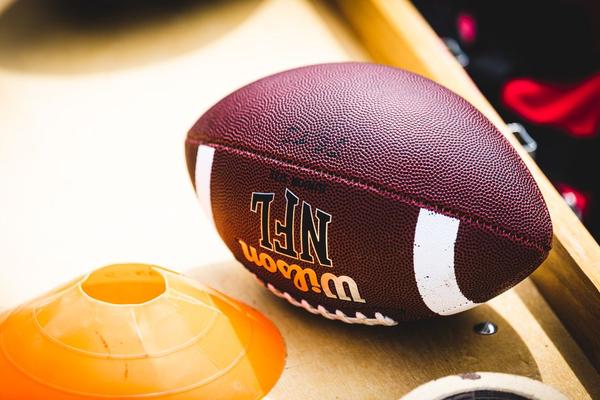
Every August, the same debate kicks off across sports bars and group chats: do preseason NFL games actually mean anything, or is it just expensive practice with a scoreboard attached? If you’re new to football or you’re managing a fantasy roster and trying to figure out who to trust in your draft, this question isn’t just academic. The answer, it turns out, is a little of both — these games matter far more to some people than others, and knowing who’s who changes how you should watch.
Coaches, scouts, and general managers treat preseason evaluation as one of the most important stretches of their year. Casual fans, on the other hand, are often watching the wrong things entirely. This guide breaks down what’s actually worth your attention, what’s just noise, and how to tell the difference.
Why Preseason Games Exist At All
Preseason football isn’t really designed for entertainment, even though networks package it that way. It exists to answer three questions before the games start counting: who deserves a roster spot, how healthy is the starting lineup, and what does the new scheme actually look like against someone else’s players. Everything else is secondary.
That’s a very different purpose than a Week 10 matchup, and it’s why judging preseason games by regular-season standards leads people astray almost every time.
What Scouts and Coaches Actually Watch For
If you sat next to an NFL scout during a preseason broadcast, you’d notice pretty quickly that they’re not watching the score. They’re watching individual matchups, technique, and how players respond after a bad rep. A cornerback who gets beat deep but recovers with good footwork tells a scout more than a cornerback who happened to make one flashy interception against a third-string quarterback.
Starters Snap Counts Tell Their Own Story
One of the clearest signals in preseason is starters snap counts. Most starting units play sparingly — often just a series or two in the first preseason game, a bit more in the second, and rarely much at all in the third. If a team’s starters are logging heavy snap counts deep into preseason, that’s usually a red flag about depth or scheme installation, not a sign of confidence. Conversely, when a star player barely touches the field, it’s not disrespect to the fans — it’s the front office protecting an asset that matters far more in Week 1 than in a meaningless August game.
Backups Get Their Real Audition
The players who benefit most from extended preseason evaluation are backups fighting for a 53-man roster spot. A fourth-string running back or a practice-squad hopeful at linebacker might get 20-30 snaps in a single preseason game — more meaningful playing time than they’ll see all regular season if they don’t make the cut. Watching how these players perform under real game speed, not just padded practice, is often the single best predictor of who survives final cuts.
Roster Cuts: Where Preseason Actually Bites
This is the part casual fans tend to underestimate. Roster cuts aren’t a footnote — they’re the entire point of the exercise for most of the players on the field. Every NFL team has to trim its roster down from the offseason numbers to the 53-man limit before the regular season begins, and preseason performance is often the deciding factor for players on the bubble.
For a fifth-round rookie or an undrafted free agent, a strong showing in the second and third preseason games can be the difference between an NFL paycheck and a trip back home. That’s why you’ll sometimes see a backup wideout look like a superstar in August, only to disappear once real football starts — teams are testing depth against similar-caliber competition, not against a starting secondary.
What Fantasy Players Should Actually Care About
If you’re building a fantasy roster, preseason isn’t useless, but it’s easy to misread. Ignore box scores almost entirely — a running back with two touchdowns against third-string linebackers tells you nothing about his Week 3 outlook. Instead, pay attention to:
Snap share trends for players competing for a starting job. Reports on how the offense is using a rookie in specific packages. Beat writer notes on who’s getting first-team reps in practice, which often matters more than what happens in the actual game. Injury news, which unfortunately is one of the most consequential things that can happen during preseason.
The Games Do Matter — Just Not the Way You’d Think
So back to the original question. Preseason games matter enormously to roughly half the players on any given roster — the backups, the rookies, and the veterans fighting to keep their jobs. For the stars you actually watch on Sundays in the fall, these games matter much less directly, though injuries and conditioning still make them relevant.
The smartest way to watch preseason football is to shift your expectations. Stop looking for competitive football and start looking for information: who’s earning trust, who’s losing a roster battle, and which young player might be a name you’re talking about come October.
Frequently Asked Questions
Do preseason NFL games count toward a team’s regular season record?
No. Preseason games are entirely separate from the regular season standings and have no bearing on playoff seeding or win-loss records.
How long do starters typically play in preseason games?
It varies by team and coach, but most starters see limited snaps — often one series in the first game, a bit more in the second, and little to none in the third and final preseason game, if it’s still played at all under a given team’s philosophy.
Why do some players get cut after a good preseason performance?
Roster spots are limited to 53 players, and teams have to balance positional needs, salary considerations, and depth across the entire roster. A strong individual performance doesn’t guarantee a spot if the numbers simply don’t work out at that position.
Should I trust preseason stats for fantasy football rankings?
Generally no. Preseason stats are heavily skewed by which players are on the field against which level of competition. Snap counts, practice reports, and depth chart movement are far more reliable indicators than box score numbers from these games.
Preseason football will never be must-watch television in the way a division rivalry game is, and that’s fine — it was never built for that. But once you know what to actually look for, from starters snap counts to who’s winning a roster battle, those August games become a genuinely useful preview of the season ahead, rather than just noise before the real thing begins.